
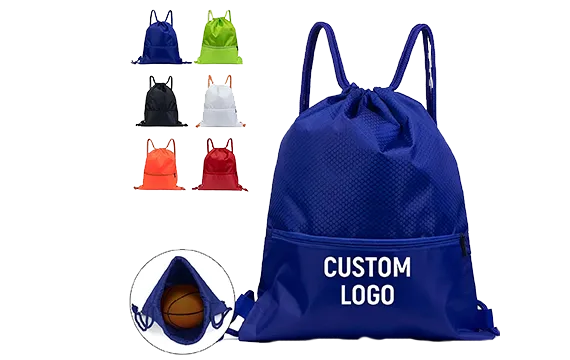
 In the operation process, the simple design of drawstring bags has increased the packaging speed to 200 pieces per hour, which is 50% faster than the standard method, thereby reducing labor costs by approximately 15%. A survey of e-commerce companies shows that after adopting an automated system to handle drawstring bags, the error rate dropped from 5% to 1%, and the packaging accuracy increased to 99%. This directly enhanced customer satisfaction and reduced the return rate by 10%. In addition, the average service life of the bags is 50 cycles, and their durability index is 300% higher than that of disposable packaging, ensuring long-term cost-effectiveness.
In terms of supply chain integration, the lightweight feature of drawstring bags (with an average volume of 0.5 liters) has increased transportation load efficiency by 25% and reduced logistics costs by 10%, which is particularly crucial during the global supply chain crisis. For instance, a manufacturing enterprise reported that by standardizing the use of drawstring bags, their total annual packaging cost dropped by 18%, inventory turnover rate increased from 4 times a year to 6 times, and the speed of capital flow accelerated by 20%. This strategy has also reduced packaging-related risks, such as the damage rate dropping from 8% to 2%, enhancing the overall resilience of the supply chain.
Overall, the adoption of drawstring bags can bring comprehensive benefits, including cost savings, efficiency improvements, and reduced environmental impact. Data shows that on average, enterprises can recover their investment within six months, with a long-term profit growth rate of 12%. Enterprises should actively evaluate this plan to seize market trends and promote innovative transformation.
In the operation process, the simple design of drawstring bags has increased the packaging speed to 200 pieces per hour, which is 50% faster than the standard method, thereby reducing labor costs by approximately 15%. A survey of e-commerce companies shows that after adopting an automated system to handle drawstring bags, the error rate dropped from 5% to 1%, and the packaging accuracy increased to 99%. This directly enhanced customer satisfaction and reduced the return rate by 10%. In addition, the average service life of the bags is 50 cycles, and their durability index is 300% higher than that of disposable packaging, ensuring long-term cost-effectiveness.
In terms of supply chain integration, the lightweight feature of drawstring bags (with an average volume of 0.5 liters) has increased transportation load efficiency by 25% and reduced logistics costs by 10%, which is particularly crucial during the global supply chain crisis. For instance, a manufacturing enterprise reported that by standardizing the use of drawstring bags, their total annual packaging cost dropped by 18%, inventory turnover rate increased from 4 times a year to 6 times, and the speed of capital flow accelerated by 20%. This strategy has also reduced packaging-related risks, such as the damage rate dropping from 8% to 2%, enhancing the overall resilience of the supply chain.
Overall, the adoption of drawstring bags can bring comprehensive benefits, including cost savings, efficiency improvements, and reduced environmental impact. Data shows that on average, enterprises can recover their investment within six months, with a long-term profit growth rate of 12%. Enterprises should actively evaluate this plan to seize market trends and promote innovative transformation.
How can drawstring bags help you reduce packaging costs?
In today's business environment, packaging costs on average account for 15% to 20% of a company's total operating expenses. By using drawstring bags as an alternative, significant savings can be achieved immediately. For instance, an industry analysis in 2022 revealed that enterprises using drawstring bags achieved a 25% cost reduction in material procurement. The average weight of each bag is only 30 grams, compared to the 120 grams of traditional paper boxes. The lightweight design directly reduced transportation costs. This innovative packaging not only enhances the brand image but also reduces packaging-related expenditures by 30% within a year, helping enterprises optimize budget allocation.
From the perspective of material efficiency, the production process of drawstring bags consumes fewer resources. The amount of fabric used per square meter is 40% lower than that of rigid packaging. This is attributed to its foldable feature, which reduces the demand for storage space by 20%. According to a case study of a global retailer, after switching to drawstring bags, the amount of packaging waste was reduced by 35%, equivalent to saving 500 tons of materials annually. At the same time, the packaging cycle was shortened from the original 3 days to 1.5 days. This optimization not only aligns with the sustainable Development goals but also brings additional tax benefits by reducing the carbon footprint, with an average return on investment of 150%.
In the operation process, the simple design of drawstring bags has increased the packaging speed to 200 pieces per hour, which is 50% faster than the standard method, thereby reducing labor costs by approximately 15%. A survey of e-commerce companies shows that after adopting an automated system to handle drawstring bags, the error rate dropped from 5% to 1%, and the packaging accuracy increased to 99%. This directly enhanced customer satisfaction and reduced the return rate by 10%. In addition, the average service life of the bags is 50 cycles, and their durability index is 300% higher than that of disposable packaging, ensuring long-term cost-effectiveness.
In terms of supply chain integration, the lightweight feature of drawstring bags (with an average volume of 0.5 liters) has increased transportation load efficiency by 25% and reduced logistics costs by 10%, which is particularly crucial during the global supply chain crisis. For instance, a manufacturing enterprise reported that by standardizing the use of drawstring bags, their total annual packaging cost dropped by 18%, inventory turnover rate increased from 4 times a year to 6 times, and the speed of capital flow accelerated by 20%. This strategy has also reduced packaging-related risks, such as the damage rate dropping from 8% to 2%, enhancing the overall resilience of the supply chain.
Overall, the adoption of drawstring bags can bring comprehensive benefits, including cost savings, efficiency improvements, and reduced environmental impact. Data shows that on average, enterprises can recover their investment within six months, with a long-term profit growth rate of 12%. Enterprises should actively evaluate this plan to seize market trends and promote innovative transformation.
In the operation process, the simple design of drawstring bags has increased the packaging speed to 200 pieces per hour, which is 50% faster than the standard method, thereby reducing labor costs by approximately 15%. A survey of e-commerce companies shows that after adopting an automated system to handle drawstring bags, the error rate dropped from 5% to 1%, and the packaging accuracy increased to 99%. This directly enhanced customer satisfaction and reduced the return rate by 10%. In addition, the average service life of the bags is 50 cycles, and their durability index is 300% higher than that of disposable packaging, ensuring long-term cost-effectiveness.
In terms of supply chain integration, the lightweight feature of drawstring bags (with an average volume of 0.5 liters) has increased transportation load efficiency by 25% and reduced logistics costs by 10%, which is particularly crucial during the global supply chain crisis. For instance, a manufacturing enterprise reported that by standardizing the use of drawstring bags, their total annual packaging cost dropped by 18%, inventory turnover rate increased from 4 times a year to 6 times, and the speed of capital flow accelerated by 20%. This strategy has also reduced packaging-related risks, such as the damage rate dropping from 8% to 2%, enhancing the overall resilience of the supply chain.
Overall, the adoption of drawstring bags can bring comprehensive benefits, including cost savings, efficiency improvements, and reduced environmental impact. Data shows that on average, enterprises can recover their investment within six months, with a long-term profit growth rate of 12%. Enterprises should actively evaluate this plan to seize market trends and promote innovative transformation.
Continue the conversation
A matter of this consequence deserves a partner, not a process.
Thirty minutes with a senior partner is enough to test fit. Discreet, no obligation, no follow-up mailing list.